
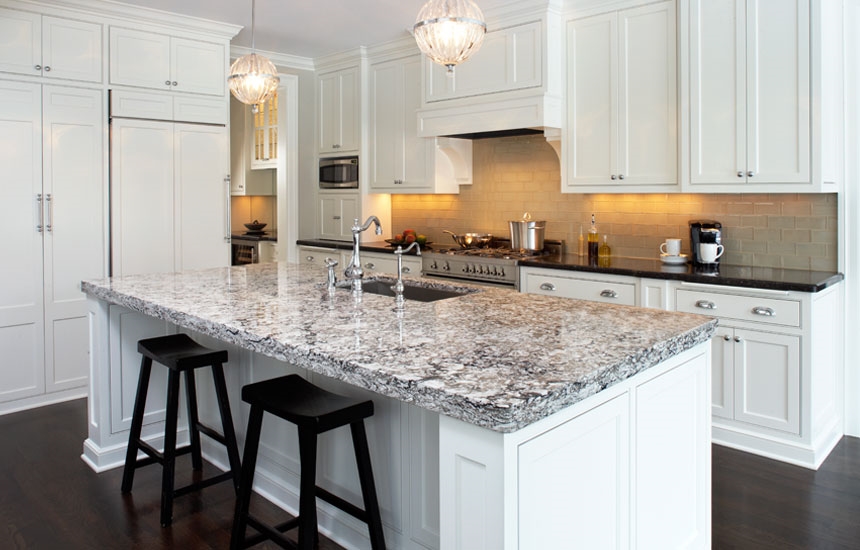
Undertaking a kitchen remodeling near me in Niles can be both exhilarating and intimidating. With numerous choices to make and various stages to navigate, having a detailed plan is essential to ensure the process remains seamless and manageable. Whether you’re enhancing your kitchen for improved functionality, aesthetic appeal, or to elevate your home’s market value, this comprehensive guide will escort you from the initial planning phases all the way to the final details.
1. Clarify Your Objectives and Establish a Budget
Before selecting countertops and cabinetry, it’s vital to outline what you aim to achieve with your remodel. Are you seeking to expand storage capacity? Do you want to implement an open-plan layout? Or perhaps you’re updating the design to better reflect your personal taste? Clearly defining your main goals will steer your decisions throughout the renovation process.
- Determine Your Budget: Create a realistic financial plan that covers all aspects of the remodel, including design services, materials, labor, and a contingency fund. It’s prudent to allocate an additional 10-15% of your budget for unexpected costs.
- Distinguish Between Essentials and Extras: Make a list separating must-haves from nice-to-haves. This prioritization will help you stay focused on critical elements, especially if you need to adjust due to budget limitations.
2. Accurately Measure Your Space and Design the Layout
Precise measurements are crucial to ensure your new kitchen fits flawlessly. Measure the dimensions of your existing kitchen, including walls, windows, doors, and ceiling height.
- Design Your Layout: Select a layout that best suits your needs, whether it’s an L-shaped, U-shaped, galley, or open design. Ensure the layout facilitates an efficient workflow, commonly known as the kitchen work triangle, connecting the sink, stove, and refrigerator.
- Assess Traffic Flow: Ensure there’s ample space for movement, particularly around high-traffic areas like the sink, stove, and fridge.
3. Decide on Your Style and Design Features
This is the exciting stage where you craft your ideal kitchen! Choose a style that complements the rest of your home, whether it’s contemporary, traditional, farmhouse-inspired, or a mix of styles.
- Cabinets and Storage Solutions: Select the style, material, and color of your cabinets. Think about additional storage options such as pull-out shelves, deep drawers, and pantry cabinets to maximize space.
- Countertops: Choose from materials like granite, quartz, marble, or butcher block. Consider durability, maintenance requirements, and visual appeal when making your selection.
- Backsplash: A backsplash can add character to your kitchen. Opt for materials that enhance your overall design, such as tiles, glass, stone, or metal.
4. Select Appliances and Fixtures
Appliances and fixtures greatly influence both the functionality and aesthetics of your kitchen.
- Appliances: Opt for energy-efficient models that fit your layout and cooking habits. Consider integrating smart refrigerators, double ovens, or induction cooktops.
- Lighting: Incorporate a combination of task lighting, ambient lighting, and accent lighting to create a well-lit space. Options include under-cabinet lights, pendant lights over the island, and recessed ceiling lights.
- Plumbing Fixtures: Choose faucets and sinks that align with your design style and practical needs. Popular finishes include stainless steel, matte black, and brushed nickel.
5. Hire the Appropriate Professionals
Unless you’re a seasoned DIYer, enlisting professionals is crucial for a successful remodel.
- General Contractor: A general contractor oversees the project, coordinating with subcontractors and ensuring the work is completed correctly and on schedule.
- Designers: A kitchen designer can help create a cohesive look and efficient layout, making the most of your space.
- Specialized Tradespeople: Electricians, plumbers, and carpenters will handle specific tasks that require specialized expertise.
6. Obtain Necessary Permits and Prepare for Demolition
Check local regulations to determine if permits are required for your remodel, especially if you’re making structural changes or modifying plumbing and electrical systems.
- Clear the Area: Remove appliances, cabinets, and other items from the kitchen to prepare for demolition.
- Protect Other Spaces: Use plastic sheeting to seal off adjacent rooms, minimizing the spread of dust and debris throughout your home.
7. Installation Phase: Realizing Your Vision
After demolition, the installation phase begins. This stage involves setting up all the elements that will bring your design to life.
- Framing and Plumbing: If altering the layout, new framing and plumbing installations come first.
- Electrical Work: This includes wiring for lighting, appliances, and outlets.
- Cabinets and Countertops: Install cabinets first, followed by countertops, ensuring everything is level and properly aligned.
- Appliances and Fixtures: Once cabinets and countertops are in place, install appliances, faucets, and lighting fixtures.
8. Final Touches and Inspections
As your kitchen nears completion, focus on the finishing touches and necessary inspections.
- Painting and Backsplash Installation: Apply your chosen wall color and install the backsplash to complete the aesthetic.
- Hardware and Accessories: Attach cabinet handles, drawer pulls, and other finishing hardware.
- Final Inspection: Conduct a thorough walkthrough with your contractor to ensure everything is installed correctly and functioning as intended.
9. Clean Up and Enjoy Your New Kitchen
The final step is to clean up any construction dust and debris, organize your new kitchen items, and start enjoying your remodeled space!
- Deep Cleaning: Perform a comprehensive clean to make your kitchen ready for use.
- Organize Your Space: Arrange your kitchenware to maximize the new layout and storage solutions effectively.
A kitchen remodel is a significant project, but with meticulous planning and the right team, it can transform your space into a functional and beautiful area you’ll cherish. Use this comprehensive guide to stay organized and on track from the beginning to the end, and soon you’ll be enjoying your dream kitchen!