When winter arrives with its blanket of snow and icy winds, many homeowners might assume that roofing projects need to be put on hold until the warmer months return. After all, how can you replace a roof when the conditions outside are less than ideal? Surprisingly, roof replacement during winter is not only possible but can also be advantageous under the right circumstances.
The Common Concerns
Weather Conditions
One of the primary worries about winter roofing near me Northbrook is the cold weather itself. Low temperatures can affect the performance of certain roofing materials. For instance, asphalt shingles may become brittle in freezing temperatures, making them harder to work with and more prone to damage during installation.
Safety Issues
Safety is a legitimate concern. Snow-covered roofs and icy surfaces can pose risks to roofing professionals. However, experienced contractors are trained to handle these conditions safely, using specialized equipment and safety protocols to minimize risks.
Material Handling
Some materials require specific conditions for proper installation. Adhesives might not cure correctly in cold temperatures, and certain sealants may not perform as expected. This could potentially compromise the integrity of the roof if not addressed properly.
Modern Roofing Solutions
Advancements in roofing technology and materials have made winter roof replacement more feasible than ever before. Manufacturers have developed cold-weather installation guidelines, and there are products specifically designed to perform well in lower temperatures.
Cold-Weather Shingles
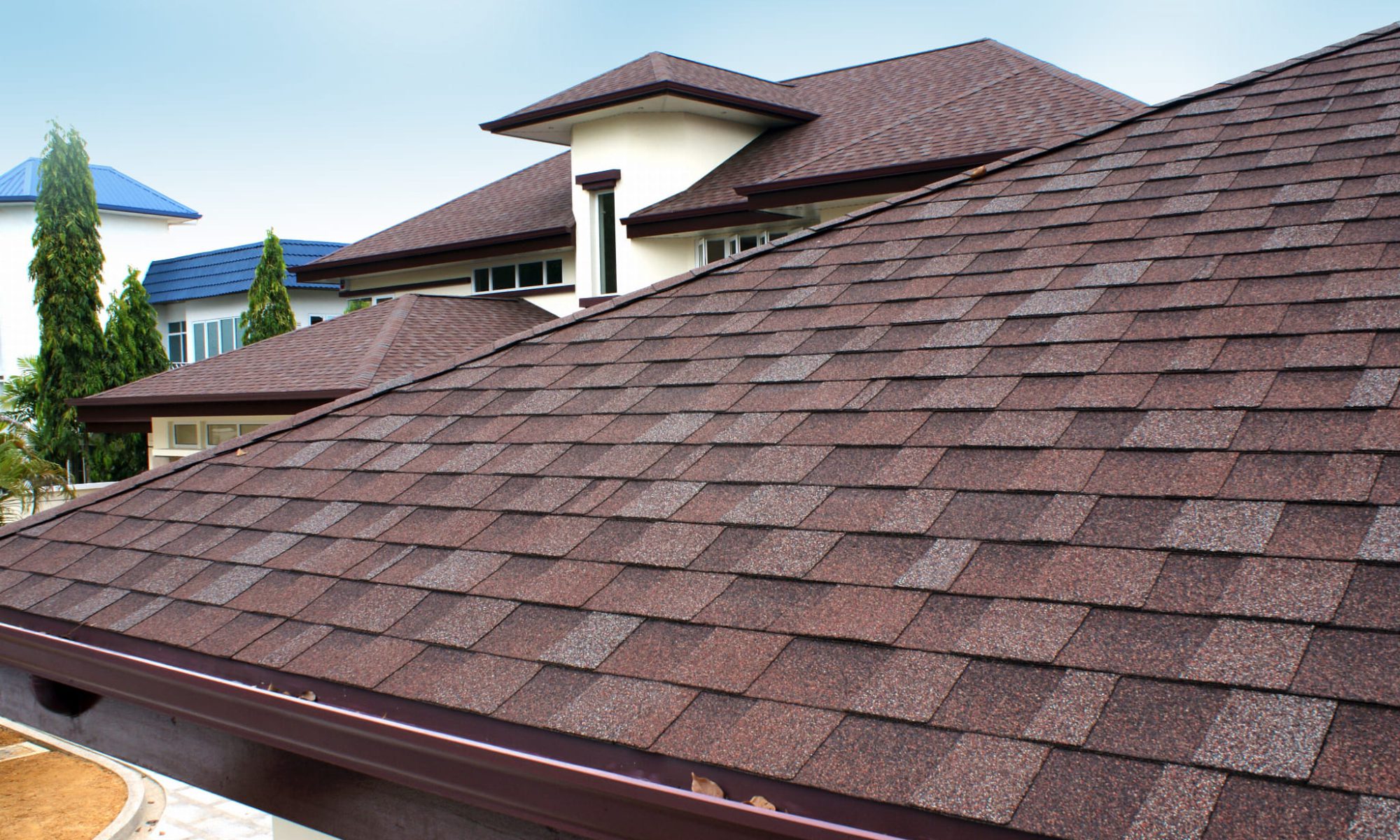
Many roofing companies now offer shingles that are engineered to be flexible and durable even in cold conditions. These shingles can be installed with confidence, knowing they will provide the necessary protection and longevity.
Specialized Equipment
Roofing contractors use equipment designed to handle winter conditions. For example, pneumatic tools can be adjusted for cold weather to ensure nails are driven correctly, and materials can be stored in heated environments until they are ready to be installed.
Benefits of Winter Roof Replacement
Faster Scheduling
Winter is typically the off-season for roofing companies. This means you might find it easier to schedule your project promptly, avoiding the long wait times that can occur during the busy spring and summer months.
Potential Cost Savings
Some contractors offer discounts or promotional pricing during the slower season. Taking advantage of these deals can result in significant savings on your roof replacement project.
Immediate Protection
If your roof is damaged or failing, waiting until spring could lead to further problems, such as leaks, water damage, or reduced energy efficiency. Replacing your roof during winter ensures your home remains protected against the elements.
Important Considerations
Choose Experienced Professionals
Not all roofing contractors are equipped to handle winter installations. It’s crucial to select a company with experience in cold-weather roofing. They will understand the unique challenges and have strategies in place to address them.
Monitor Weather Conditions
Winter weather can be unpredictable. Contractors will keep a close eye on the forecast to schedule work during favorable conditions and ensure the safety and success of the project.
Proper Material Storage
Materials should be stored in a way that keeps them at optimal temperatures until they are used. This might involve heated storage spaces or transporting materials in heated vehicles.
When to Postpone
While winter roof replacement is possible, there are situations where it might be best to wait:
- Severe Weather: Blizzards, heavy snowfall, or extreme cold can make roofing unsafe or impractical.
- Structural Issues: If your roof structure is compromised, additional weight from snow could pose risks during replacement.
- Budget Constraints: If winter pricing doesn’t offer savings, and there’s no urgent need, you might opt to plan for a spring replacement.
Roof replacement during winter is indeed possible and, in some cases, even advantageous. With the right materials, experienced roofing professionals, and careful planning, you can ensure your home remains secure and protected throughout the coldest months. Don’t let the season deter you from addressing critical roofing needs—embrace the opportunity to enhance your home’s safety and value, no matter the weather.