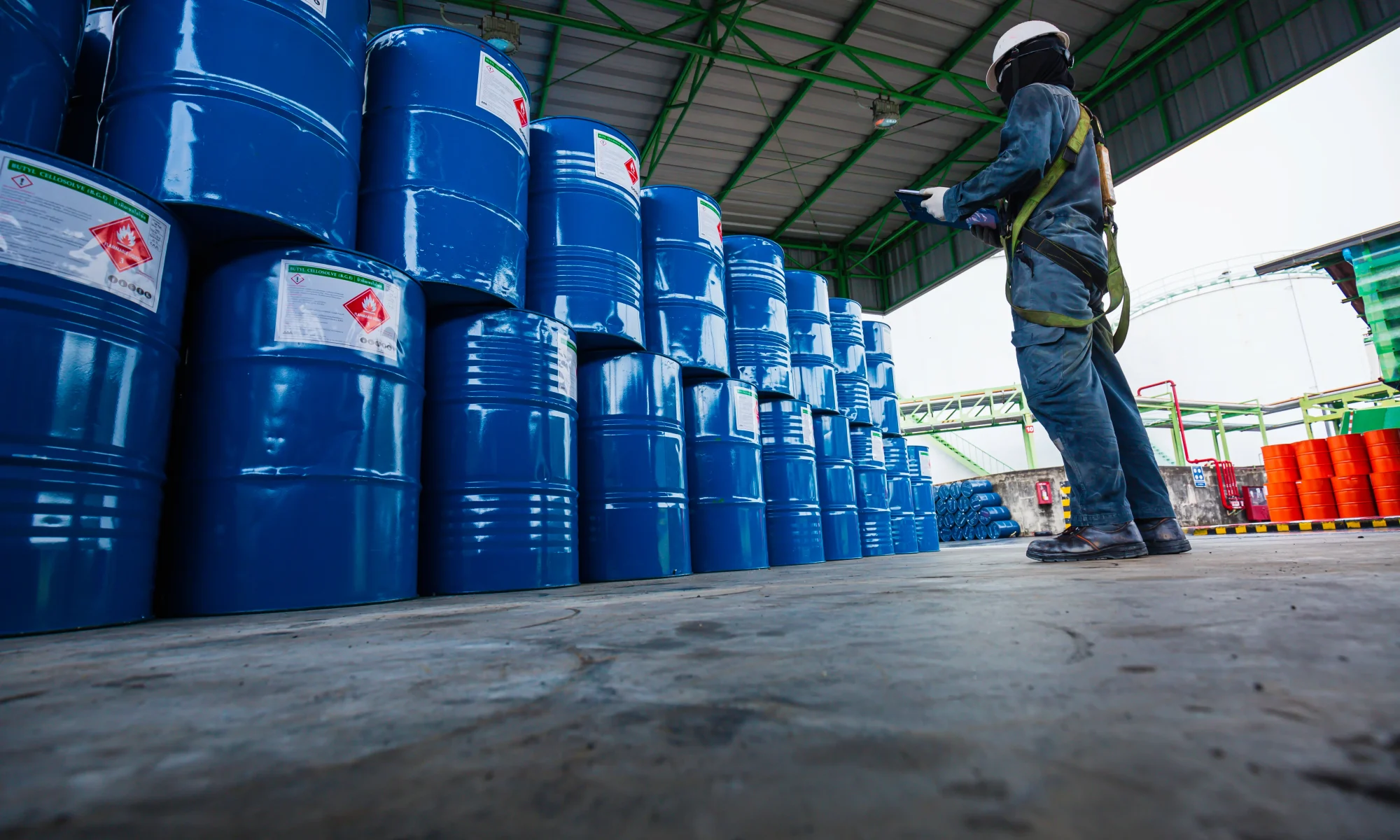
Proper hazardous waste disposal Baltimore is crucial for maintaining the health of our planet and the safety of our communities. Whether you’re dealing with household chemicals, industrial byproducts, or medical waste, understanding how to dispose of hazardous materials safely is essential to prevent environmental contamination and public health risks. Improper disposal of hazardous waste can lead to disastrous outcomes, such as pollution of water sources, destruction of ecosystems, and harmful health effects. In this comprehensive post, we’ll take a closer look at hazardous waste disposal Boston, why it’s important, and how you can find hazardous waste disposal near me Las Vegas to handle hazardous materials the right way.
What Qualifies as Hazardous Waste?
Hazardous waste encompasses a wide range of materials that can harm humans, wildlife, and the environment. This category includes waste that is toxic, flammable, corrosive, or reactive. Hazardous waste can come from various sources, such as household products, industrial processes, or medical facilities. Here’s a breakdown of what qualifies as hazardous waste:
-
Household Products: Common household items like batteries, paints, solvents, pesticides, and cleaning agents contain chemicals that can be harmful to the environment and public health if not disposed of correctly.
-
Industrial Waste: Manufacturing processes, oil refineries, and chemical plants produce hazardous waste in the form of toxic chemicals, heavy metals, and waste oils that must be disposed of safely.
-
Medical Waste: Medical facilities, including hospitals and clinics, generate hazardous waste such as expired medications, used needles, and hazardous chemicals used in healthcare.
Proper hazardous waste disposal Jersey City is necessary to ensure that these materials do not cause lasting damage to our water systems, air quality, and soil.
Why Is Proper Hazardous Waste Disposal Essential?
The improper disposal of hazardous waste is a serious issue with far-reaching consequences. Here’s why it’s so important to dispose of hazardous materials properly:
-
Environmental Protection: Hazardous waste, when not disposed of correctly, can seep into the soil and pollute groundwater and water bodies, harming ecosystems. Chemicals like pesticides and solvents can contaminate large areas, making them unsafe for plants, animals, and humans.
-
Human Health Risks: Exposure to hazardous waste can cause short-term symptoms like skin rashes and respiratory issues, and long-term exposure can lead to chronic health problems, such as cancer, liver damage, and neurological disorders. People who work with hazardous materials or live near improperly disposed waste are particularly at risk.
-
Wildlife Safety: Animals that ingest or come into contact with hazardous waste can suffer from poisoning, reproductive issues, or death. Contaminated water sources can have a devastating effect on aquatic life, including fish, amphibians, and other species that rely on these ecosystems for survival.
-
Air Quality: Hazardous materials like solvents and paints release volatile organic compounds (VOCs) into the air, contributing to poor air quality. These substances can cause a range of respiratory problems, including asthma and bronchitis, and contribute to the formation of smog.
The Dangers of Improper Hazardous Waste Disposal
Improper disposal of hazardous waste, such as tossing it in the trash, pouring it down the drain, or leaving it in an open landfill, creates a multitude of hazards:
-
Soil Contamination: Hazardous materials can leach into the ground, making the soil toxic and unsuitable for farming, gardening, or other activities. Contaminated soil can remain hazardous for years or even decades.
-
Water Pollution: When hazardous waste enters water systems, it can poison aquatic life, disrupt ecosystems, and contaminate drinking water sources. This can have serious public health implications, particularly for communities that rely on these water sources for everyday use.
-
Fire and Explosion Hazards: Certain hazardous materials, such as flammable liquids and gases, can ignite or explode when improperly stored or disposed of. This can cause dangerous fires or explosions that endanger both people and property.
-
Fines and Legal Issues: In many regions, improper disposal of hazardous waste is illegal and can result in hefty fines or legal actions. It’s essential to follow local guidelines and regulations for hazardous waste disposal New York City.
How to Find Hazardous Waste Disposal Near Me
If you’re asking, “Where can I find hazardous waste disposal near me?” there are several options for safe and reliable disposal. Here are some ways you can ensure your hazardous waste is managed responsibly:
-
Local Hazardous Waste Collection Events: Many cities and towns organize regular hazardous waste disposal events where residents can safely drop off hazardous materials like old paints, batteries, or cleaning products. These events are usually free or low-cost and are an excellent way to dispose of household hazardous waste.
-
Certified Hazardous Waste Disposal Services: Specialized hazardous waste management companies provide professional services for collecting, transporting, and disposing of hazardous materials. These services ensure that waste is handled according to environmental regulations, minimizing the impact on health and the environment. If you have larger quantities of hazardous waste to dispose of, a professional disposal service is your best option.
-
Retail Collection Centers: Many large retailers and pharmacies have partnered with waste management companies to offer collection services for specific hazardous materials. For example, many stores accept batteries, light bulbs, and expired medications for safe disposal.
-
Online Directories: Websites like Earth911 allow you to search for hazardous waste disposal near me by simply entering your zip code. These platforms provide a directory of local disposal sites and recycling centers, making it easier for you to find the best disposal options in your area.
-
Waste Disposal Contractors for Businesses: If you represent a business or industrial facility, it’s essential to hire a specialized waste disposal contractor. These companies are equipped to handle larger volumes of hazardous materials safely and in compliance with local and federal regulations.
Types of Hazardous Waste That Require Special Disposal
Not all waste is hazardous, but there are many everyday materials that can be classified as hazardous waste. These materials must be disposed of according to specific guidelines to prevent environmental damage and health risks. Here are some examples:
-
Batteries: Batteries contain harmful substances such as mercury, lead, and cadmium, which can leach into the environment if disposed of improperly. Never throw batteries in the trash.
-
Paints and Solvents: Oil-based paints and paint thinners contain harmful chemicals that can pollute the environment. Many communities offer collection events for safe disposal.
-
Electronics (E-Waste): Old electronics like computers, TVs, and phones contain hazardous substances such as lead, cadmium, and mercury. Many electronics retailers offer take-back programs to recycle e-waste safely.
-
Fluorescent Light Bulbs: These bulbs contain small amounts of mercury, which can contaminate the environment if broken or improperly disposed of. Most cities have recycling programs for fluorescent bulbs.
-
Expired or Unused Medications: Prescription medications can pose a significant risk to both the environment and human health if not disposed of properly. Many pharmacies and local law enforcement agencies offer take-back programs for unused medications.
How to Safely Dispose of Hazardous Waste
Here’s a step-by-step guide to safely dispose of hazardous waste:
-
Identify Hazardous Materials: The first step is identifying which materials in your home or business are hazardous. If in doubt, check labels for safety warnings or consult your local hazardous waste disposal service for guidance.
-
Proper Packaging: When transporting hazardous materials, ensure they are securely packaged in leak-proof containers to prevent spills. Clearly label each container to avoid confusion.
-
Research Disposal Options: Whether you’re looking for hazardous waste disposal near me or need specialized services for large quantities of waste, it’s essential to use a certified disposal service that follows local and federal guidelines.
-
Follow Local Guidelines: Each city or town may have different rules and regulations for disposing of hazardous waste. Be sure to check your local waste management website for information about disposal options, events, and legal requirements.
-
Choose a Professional Disposal Service: If you’re unsure about how to dispose of hazardous waste, consider working with a certified hazardous waste management company. These professionals ensure that waste is handled and disposed of safely, following all environmental regulations.